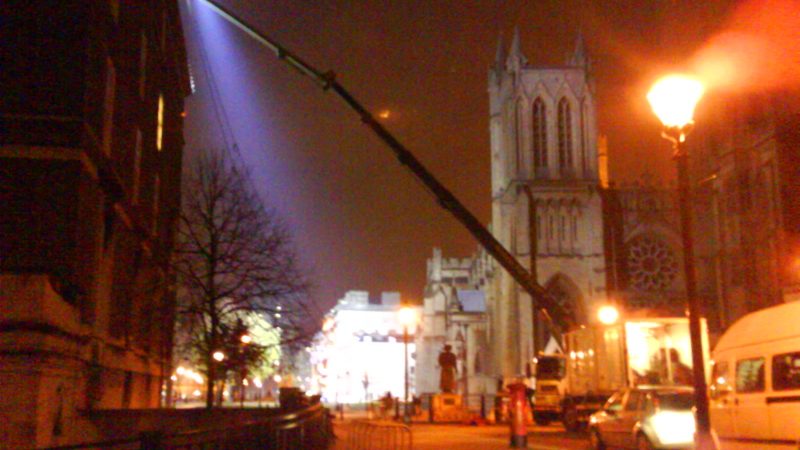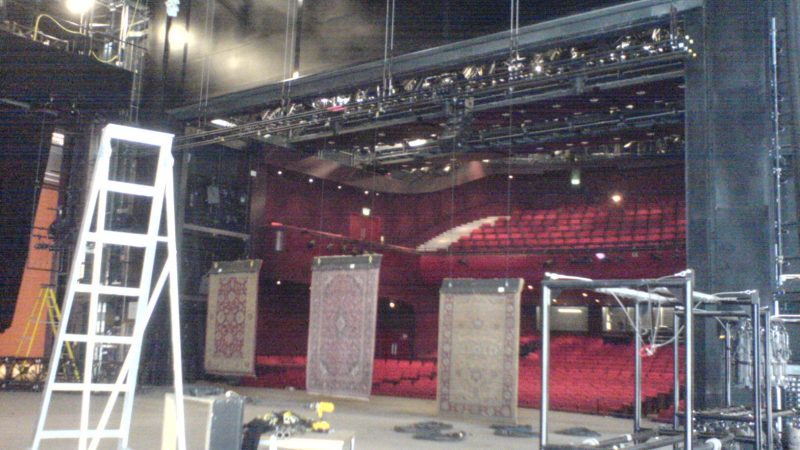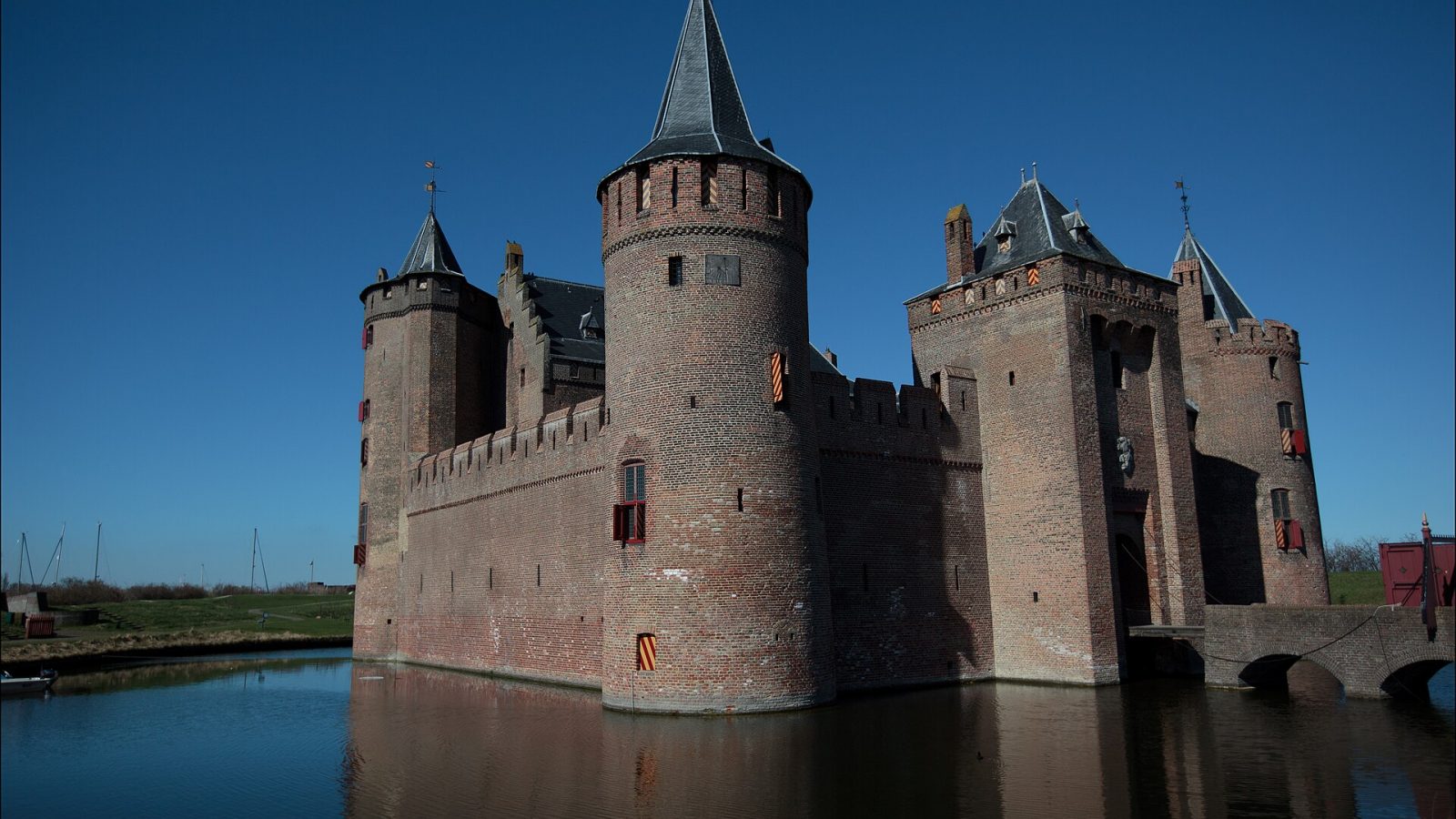
Some of our favourite projects happened in places with centuries of history: a tower loft from 1612 lit by candles, a 600-year-old castle with musicians on a pontoon floating in the moat. Historic locations give films a depth no studio can fake – but they come with their own rules. This is how we scout, prepare and film them.
Why the location is part of the story
A location is never just a background. It carries meaning. When we filmed Frozen the Musical, we needed warmth, intimacy and timelessness to express Anna’s character. A medieval tower with a fireplace and wooden beams did that before anyone sang a note. For the Rapunzel Festival, the castle itself is the protagonist – the reason the festival exists.
So the first question of every scout is not “Is it pretty?” but “What does this place say – and is that what our story needs?”
The scouting process
1. Brief the location
Write down the emotional and practical requirements: atmosphere, era, size, number of scenes, cast and crew size, time of day, technical needs.
2. Research and network
Film commissions, heritage associations, private owners, friends of friends – many of the best places are not listed anywhere. Our Frozen tower came through a personal connection; the owner generously opened his loft to us.
3. Visit at the right time
Visit at the time of day you plan to shoot. Light changes everything. Bring a compass app to track the sun path.
4. Document thoroughly
Photos and video from every angle, measurements of rooms and doorways, sound recordings, notes on power sockets and access.
5. Test the story
Walk through each scene on site. Where does the performer stand? Where is the camera? What is in the background of each shot?
Technical checklist for historic venues
- Light: window directions, darkness at night, existing fixtures, reflection from walls.
- Power: number and capacity of circuits; old buildings often need generators or battery-powered lights.
- Sound: echo in stone halls, creaking floors, traffic, church bells, tourists.
- Access: narrow staircases, carrying equipment, parking, distances.
- Space: room for camera, light and crew outside the frame.
- Climate: temperature and humidity in towers and cellars (for people and equipment).
- Facilities: toilets, a room for make-up and catering, storage.
- Mobile signal: often weak behind thick walls – plan communication.
Protecting heritage
Historic places are irreplaceable. We treat them accordingly:
- Protective mats under stands and cases; soft feet on tripods.
- No tape, nails or adhesives on historic surfaces.
- Fire safety: real candles and fireplaces only with the owner’s approval, extinguishers on set, a dedicated person watching open flames.
- LED lights with low heat output near delicate materials.
- Clear rules for the crew: no food or drinks in sensitive rooms.
- A walk-through with the owner before and after the shoot.
Candlelight on camera: real flames create beautiful, living light, but rarely enough of it. We support them with warm, soft LED sources hidden out of frame so faces stay readable while the candles remain the visible light source.
Permits, contracts and insurance
Even when an owner says “just come by”, put agreements in writing:
- Location agreement with dates, times, rooms, fee and usage rights for the footage
- Permission to show the building and its name in the film
- Public-liability and equipment insurance
- Permits for drones, public spaces or heritage sites where required
- Rules for neighbours, parking and noise
Outdoor castles and water
Moats, gardens and courtyards are spectacular – and unpredictable. Plan for weather with a rain alternative inside, protect equipment from humidity, and consider safety near water, especially at night. For performances on water, as planned for Rapunzel’s floating pontoon stage, coordinate early with the technical team on stability, cabling and rescue.
Locations near Hamburg and in the Netherlands
Northern Germany and the Netherlands are rich in historic locations: brick Gothic churches, manor houses, moated castles, warehouses and harbour architecture. Hamburg itself offers the UNESCO World Heritage Speicherstadt – read Why Hamburg Is a Creative Hub for our favourite city locations.
Budgeting a historic location
Location fees vary widely – from a friendly gesture to significant daily rates for castles and museums. Add costs for longer set-up times, additional lighting, protective material, generators and possibly a location manager or supervisor from the venue. The atmosphere is usually worth it: one strong location can replace several ordinary ones.
FAQ
Can we film in a museum or monument?
Often yes, usually outside opening hours and with conditions. Start enquiries at least four to six weeks in advance.
Who handles location contracts?
We do – including permits, insurance and coordination with owners.
Do historic locations work for corporate films?
Absolutely, for example for anniversaries, heritage brands or events. A setting with history adds weight to a company’s story.
Looking for the perfect setting for your film? Tell us about your idea.
Ready to see your story unfold?
Tell us about your brand and we will sketch a first idea for your micromovie – free and without obligation.
Start project